

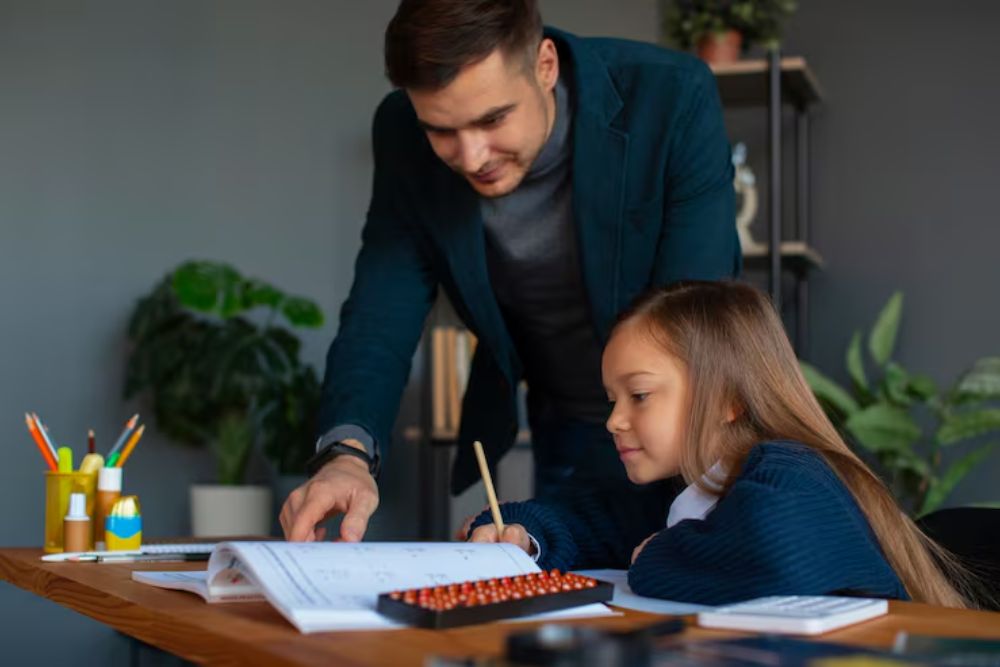
Education is not just about grades, exams, or finishing homework on time. For many students, learning is also shaped by confidence, emotional support, and having someone who truly believes in them. Today, students face many challenges both inside and outside the classroom. Academic pressure, social stress, self-doubt, and lack of guidance can make learning feel overwhelming.
This is where mentorship plays a powerful role in education. A mentor provides steady support, encouragement, and direction that helps students grow not only as learners but as individuals. By building trust and offering one-on-one guidance, mentors help students stay motivated, confident, and focused on their goals.
In this blog, we explore the role of a mentor in education, how mentors support students at different stages, and why programs like BBBSLI make such a meaningful difference in young people’s educational journeys.
What Does a Mentor Mean in an Educational Context?
In education, a mentor plays a quiet but powerful role. They are not there to teach lessons or give grades. Instead, they support a student as a whole person. A mentor listens, guides, and encourages, helping students feel seen and supported during their learning journey.
Simple Definition of a Mentor
A mentor is a trusted adult who builds a positive relationship with a student. They offer guidance, motivation, and encouragement over time. In an educational setting, a mentor helps students stay focused, build confidence, and believe in their ability to succeed. Sometimes the support is about schoolwork, and sometimes it is simply about being there to talk and listen.
Mentor vs Teacher vs Parent
Teachers focus on academics and classroom learning. Parents provide care, values, and daily support at home. A mentor fills a different space. They are a supportive guide who is not responsible for grades or discipline. Because of this, students often feel more comfortable opening up to a mentor. Mentors complement teachers and parents by offering one-on-one attention, emotional support, and steady encouragement that helps students grow both inside and outside the classroom.
The Core Roles of a Mentor in Education
A mentor plays many important roles in a student’s educational journey. Their support goes beyond books and classrooms. By building trust and offering steady guidance, mentors help students grow both academically and personally. Below are the core roles a mentor fulfills in education.
Emotional Support
Many students struggle silently with stress, fear of failure, or low self-confidence. A mentor provides a safe space where students can talk openly without feeling judged. By listening patiently and showing care, mentors help students feel understood and supported. This emotional backing often makes it easier for students to focus on learning and handle challenges calmly.
Academic Encouragement
Mentors encourage students to stay engaged with their education. They help set small, realistic goals and motivate students to keep trying, even when school feels difficult. Instead of pressuring for perfect results, mentors focus on effort, progress, and consistency, which helps students develop a healthier relationship with learning.
Confidence Building
Belief in oneself is a key part of educational success. Mentors help students recognize their strengths and remind them that mistakes are part of learning. With regular encouragement, students become more willing to ask questions, participate in class, and take on new challenges with confidence.
Role Modeling Positive Behavior
Students often learn more from what they see than what they are told. Mentors lead by example, showing positive behaviors such as responsibility, respect, patience, and perseverance. Through this, students learn valuable habits and attitudes that support success in school and in life.
How Mentors Support Learning Beyond the Classroom
Learning does not stop when the school day ends. In fact, many of the most important lessons happen outside the classroom. This is where mentors play a powerful role. They help students grow in ways that grades and textbooks alone cannot.
Developing Life Skills
Mentors help students build everyday skills that support learning and success in school and life. These skills make it easier for students to stay focused, organized, and confident.
Mentors often help with:
- time management and planning daily routines
- setting small, achievable goals
- improving communication and listening skills
- learning how to solve problems calmly
These skills help students handle schoolwork better and prepare them for future responsibilities.
Helping Students Navigate Challenges
Every student faces challenges, whether it is school pressure, friendship issues, or self-doubt. Mentors provide a safe space where students can talk openly and feel understood.
Mentors support students by:
- talking through problems instead of ignoring them
- helping students handle failure and setbacks
- guiding them through changes like moving to a new grade or school
- encouraging healthy choices and positive thinking
By offering steady support outside the classroom, mentors help students feel stronger, more confident, and better prepared to succeed both in school and beyond.
Role of Mentors at Different Educational Stages
Mentorship looks different at every stage of a child’s education. As students grow, their needs change. A mentor adapts their support to match each phase, helping students feel guided, confident, and understood at the right time.
Elementary School
In early years, children are still learning how school works and how to express their feelings. Mentors focus on building trust and making learning feel safe and positive.
At this stage, mentors help by:
- encouraging curiosity and love for learning
- building simple routines and habits
- boosting confidence through praise and support
- helping children talk about their feelings
A caring mentor helps young students feel secure and excited about school.
Middle School
Middle school is a time of big change. Students face new subjects, social pressure, and growing self-doubt. Mentors become a steady and calming presence during this transition.
Mentors support middle school students by:
- helping them manage emotions and stress
- encouraging healthy friendships and choices
- building self-esteem during identity changes
- reminding them that mistakes are part of learning
Having someone who listens without judgment makes a huge difference at this stage.
High School
High school students start thinking seriously about their future. Academic pressure increases, and decisions feel heavier. Mentors help students stay focused and hopeful.
At this level, mentors help with:
- setting realistic goals
- building confidence in strengths and interests
- talking about college, careers, or training paths
- encouraging responsibility and independence
A mentor helps teens believe they can succeed and make smart choices beyond school.
Across all stages, mentors provide consistency, care, and guidance. This steady support helps students grow not just academically, but as confident and capable individuals.
How BBBSLI Support Mentorship in Education
BBBSLI plays a strong and active role in supporting mentorship in education by creating safe, meaningful, and long-lasting relationships between mentors and young people. Their approach is structured, caring, and focused on the overall growth of each child, not just academic success.
Thoughtful Mentor Matching
BBBSLI takes time to understand both the mentor and the child before creating a match. Factors like personality, interests, needs, and goals are carefully considered. This thoughtful matching helps build trust early and creates a connection that feels natural and comfortable for the student.
Ongoing Support and Training
Mentors are never left on their own. BBBSLI provides regular training, guidance, and check-ins to support mentors throughout the relationship. This helps mentors handle challenges, communicate better, and support students in the right way, especially in educational and emotional situations.
Safe and Structured Mentoring Programs
Safety is a top priority. BBBSLI follows clear rules, background checks, and ongoing monitoring to ensure every mentoring relationship is secure and positive. Families, schools, and mentors all work within a structured system that protects and supports the child’s educational journey.
Final Thoughts
Education works best when students feel supported, understood, and encouraged. A mentor plays a powerful role in making this possible. Beyond academics, mentors help students build confidence, develop healthy habits, and believe in their own potential. Sometimes, having just one trusted adult who listens and cares can change how a young person sees school and their future.
This is why mentorship is such an important part of education today. Through long-term, meaningful relationships, organizations like BBBSLI help students grow not only as learners, but as individuals. When guidance, trust, and consistency come together, education becomes more than grades. It becomes a foundation for lifelong success.
Frequently Asked Questions
Is mentoring only for students who are struggling in school?
No. Mentoring benefits all students. Even those doing well can gain confidence, clarity, and stronger social and life skills through a supportive mentor relationship.
How is a mentor different from a teacher or parent?
Teachers focus on academics and parents provide care and discipline. A mentor offers one-on-one support without pressure, acting as a trusted guide and role model.
How does mentoring improve academic outcomes?
Mentors help students stay engaged, set goals, manage time better, and feel more confident asking for help. This often leads to better attendance and a more positive attitude toward school.
How does BBBSLI support mentoring in education?
BBBSLI carefully matches mentors with youth, provides training and ongoing support, and ensures all relationships are safe, structured, and meaningful.
How long does a mentoring relationship usually last?
Most mentoring relationships are long-term, lasting several months or years. Longer relationships often lead to stronger trust and greater impact.
Can mentoring help with social and emotional growth?
Yes. Mentors help students build self-esteem, make better decisions, and develop healthy relationships, which are all important for success in and out of school.
How can someone get involved with BBBSLI?
Individuals can volunteer as mentors, support programs, or help spread awareness. Getting involved is a powerful way to make a lasting difference in a young person’s life.