

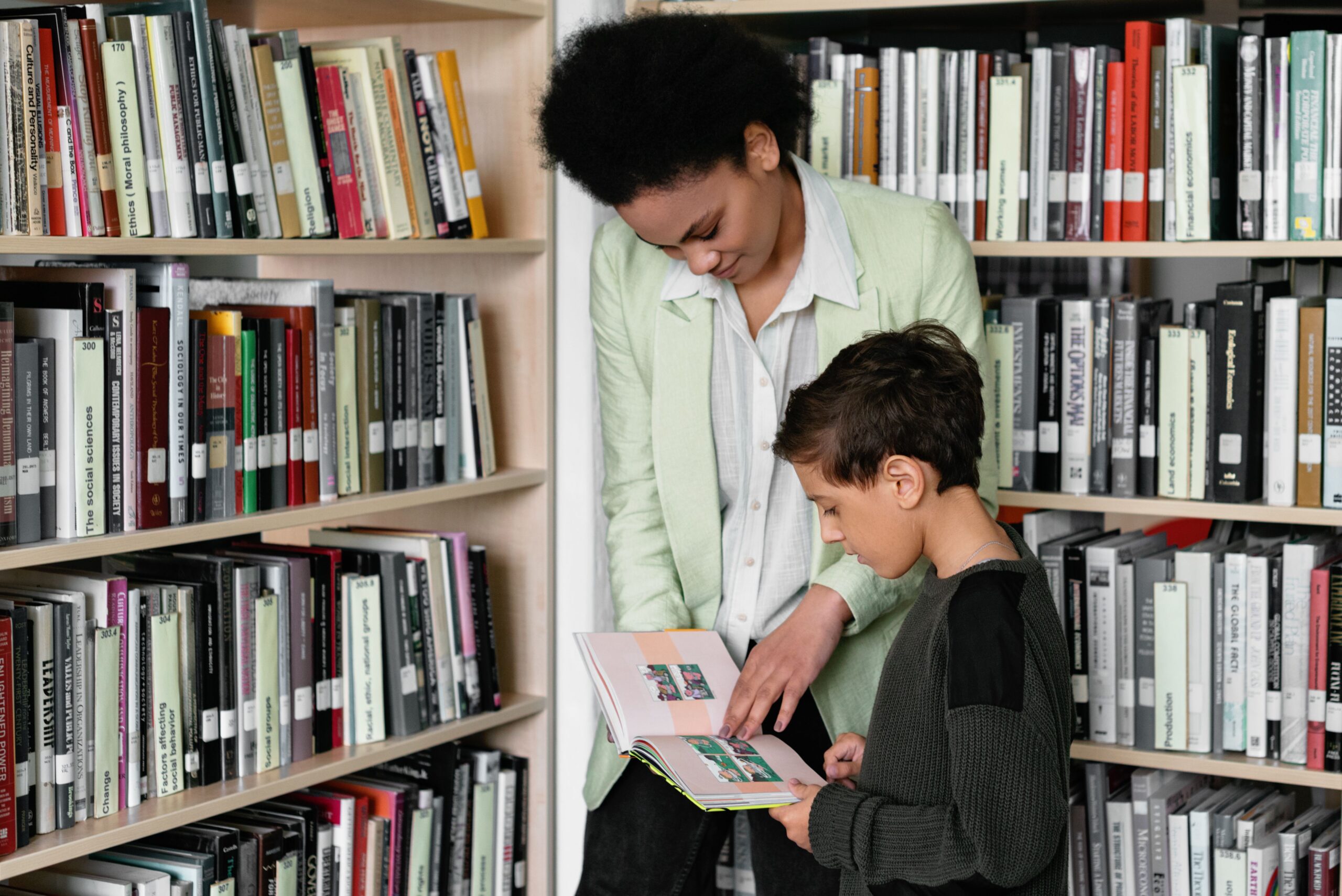
Why Relationships and Academic Success Go Together
Academic success isn’t built on grades alone. In fact, the real foundation of relationships and academic success lies in the connections that give children the confidence to learn, ask questions, and believe in themselves.
When we think about helping children succeed in school, our minds often go straight to textbooks, homework, tutoring, and good study habits. While these are all important, they are only part of the picture.
Behind every confident student, there’s usually someone who believed in them.
For example, it might be a parent who encouraged them after a difficult test, a teacher who recognized their potential, a coach who taught them perseverance, or a mentor who reminded them that one setback doesn’t define their future.
Positive relationships are one of the most powerful influences on a child’s educational journey. They help children feel safe, supported, and confident enough to take on new challenges. In many cases, it’s not intelligence that determines whether a child thrives in school, but whether they have someone who believes they can. (For a related look at how guidance from caring adults shapes confidence outside the classroom, see our post on why AI can’t replace a mentor.)
Research continues to show that children with supportive relationships with caring adults are more likely to stay engaged in school, develop stronger social skills, and achieve better academic outcomes. That’s why building meaningful relationships is just as important as building strong study habits — and it’s exactly why relationships and academic success are so closely linked.
How Relationships and Academic Success Are Connected in the Classroom
Imagine walking into a classroom where you’re afraid of making mistakes. You hesitate before raising your hand, and you avoid asking questions because you’re worried about being judged.
Now imagine the opposite: you know there’s an adult who encourages you, celebrates your effort, and reminds you that mistakes are part of learning.
Which environment would make you more willing to participate?
Ultimately, children learn best when they feel emotionally safe. Positive relationships create that safety by reducing fear and replacing it with encouragement. As a result, instead of worrying about failure, children begin focusing on growth.
Confidence Often Comes Before Academic Success
Many people assume that success builds confidence. In reality, confidence often comes first.
Children who believe in themselves are more likely to try new things, participate in class, ask for help when they need it, and keep going after setbacks. So, where does that confidence come from? Often, it begins with the words and actions of caring adults.
When someone says, “I know you can do this,” or “I’m proud of the effort you put in,” those messages begin shaping how children see themselves.
Over time, encouragement becomes self-belief. That self-belief, in turn, becomes resilience. And resilience leads to better learning outcomes.
Relationships Make School Feel Less Overwhelming
School can be exciting, but it can also be stressful. Children face academic expectations, changing friendships, extracurricular activities, and growing responsibilities. For some, these pressures can become overwhelming.
Having trusted adults in their lives gives children a place to process those experiences. Sometimes they need advice; more often, they simply need someone who will listen.
Knowing there’s someone who genuinely cares can reduce anxiety and help children approach challenges with greater confidence. Similarly, research from the Harvard Center on the Developing Child highlights that supportive relationships help children build resilience and develop the emotional skills needed to navigate challenges throughout life.
External Resource: https://developingchild.harvard.edu
Positive Relationships Improve More Than Grades
Academic success is about much more than report cards. Children also need to develop skills that help them succeed beyond the classroom.
Specifically, strong relationships help young people build:
- Confidence in their abilities
- Communication skills
- Problem-solving skills
- Emotional resilience
- Self-awareness
- Teamwork and collaboration
- Healthy decision-making
Altogether, these qualities support success in school today and in life tomorrow.
Why Mentors Play an Important Role in Academic Success
Parents and teachers have an enormous influence on a child’s education. Mentors, meanwhile, add another valuable layer of support.
Unlike teachers, mentors aren’t focused on assignments or exams. Unlike parents, they aren’t responsible for discipline or daily routines. Instead, mentors provide something uniquely valuable: they listen, they encourage, and they celebrate progress, reminding children that their potential extends far beyond a single test score.
According to MENTOR: The National Mentoring Partnership, young people with mentors are more likely to feel connected to school, develop positive relationships, and believe they can achieve their goals.
External Resource: https://www.mentoring.org
Of course, a mentor doesn’t replace the adults already in a child’s life. Rather, they strengthen the support system around that child.
Encouragement Changes the Way Children Respond to Challenges
Every student experiences setbacks — a difficult math exam, a presentation that didn’t go as planned, or a project that received unexpected feedback.
However, the difference isn’t whether setbacks happen. It’s how children respond to them.
Positive relationships help children see challenges as opportunities to learn instead of reasons to give up. When caring adults focus on effort rather than perfection, children begin developing a growth mindset.
Instead of saying, “I’m just not good at this,” they begin saying, “I’m still learning.”
That simple shift, therefore, has a lasting impact on both confidence and academic performance.
Feeling Like You Belong Makes a Difference
Children spend a significant portion of their lives at school. Feeling accepted and valued in that environment plays a major role in their success.
Students who feel connected to supportive adults are more likely to:
- Attend school regularly
- Participate in classroom activities
- Build positive friendships
- Stay motivated
- Ask for help when needed
In short, belonging creates engagement, and engagement leads to learning. For many children, one meaningful relationship can completely change how they experience school.
Academic Success Is Built Through Everyday Moments
It’s easy to think educational success comes from big milestones — a graduation, a scholarship, an award. But those achievements are often built on countless smaller moments instead.
Consider a teacher encouraging a struggling student, a parent celebrating effort over results, a mentor asking how the science project is going, or a coach reminding a child not to give up after a tough loss.
Individually, these everyday interactions may seem ordinary. Together, however, they build the confidence children need to keep learning.
It Really Does Take a Community
No single adult can meet every need a child has. Instead, children thrive when they’re surrounded by people who encourage them in different ways.
Parents provide love and stability, teachers inspire curiosity, coaches develop discipline, and mentors offer guidance, encouragement, and another trusted voice.
Together, these relationships create an environment where children feel supported both inside and outside the classroom. That’s when learning becomes more than earning good grades — it becomes building confidence, character, and hope for the future.
Every Child Deserves Someone Who Believes in Their Potential
School success isn’t only about academic ability. It’s about confidence. It’s about resilience. Above all, it’s about having people who encourage children to keep going, even when learning feels difficult.
Positive relationships don’t remove every obstacle, but they help children believe they can overcome them. Whether it’s a parent, teacher, coach, or mentor, every caring adult has the opportunity to shape a child’s educational journey in meaningful ways.
Because when children know someone believes in them, they’re much more likely to believe in themselves. And that, ultimately, is where the real link between relationships and academic success — and lifelong learning — truly begins.