

Can AI Replace a Mentor? Why Human Connection Still Wins
Artificial intelligence can answer questions in seconds. But can it help a child believe in themselves?
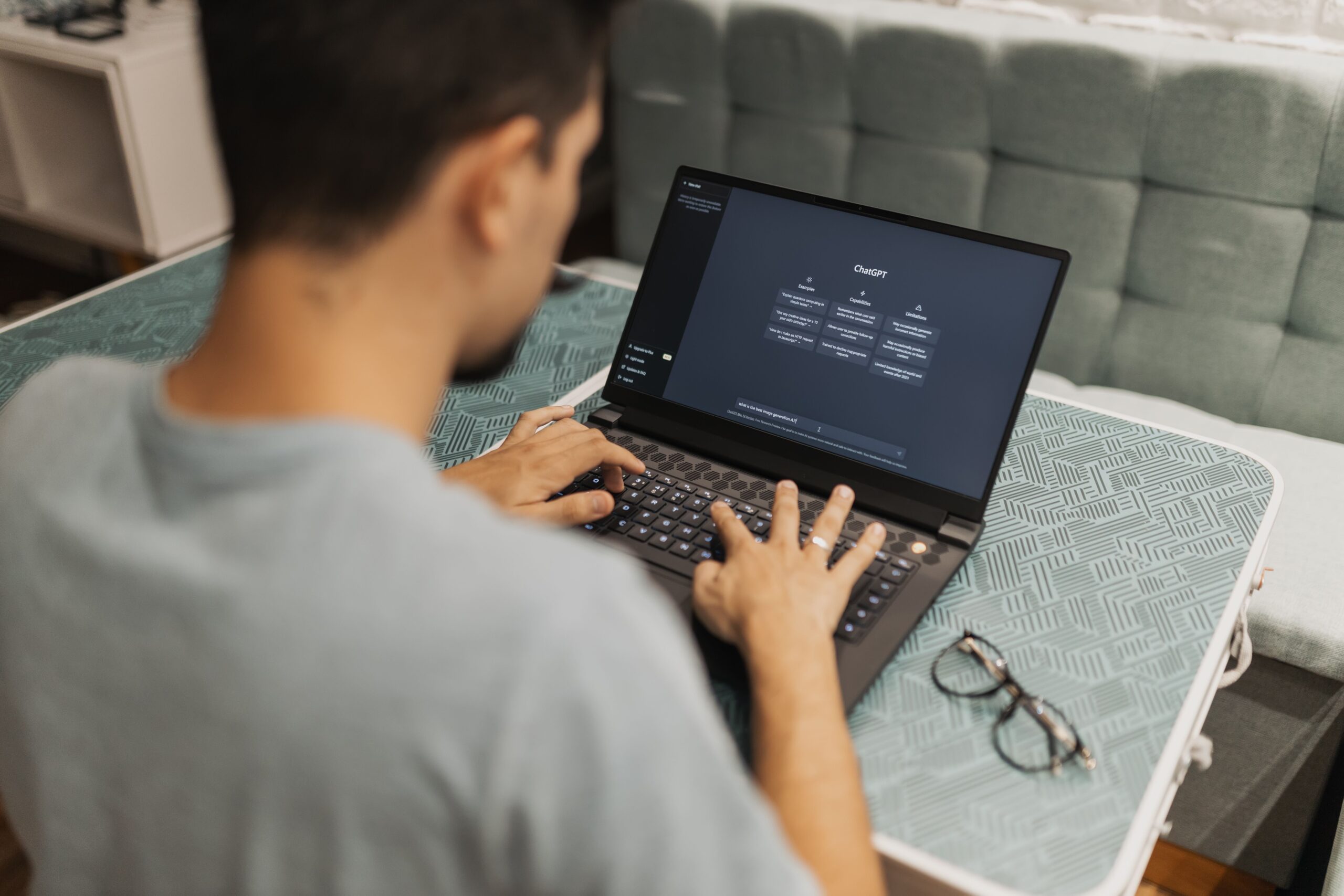
Artificial intelligence is changing the way young people learn, communicate, and solve problems. From getting homework help to brainstorming creative ideas, AI has quickly become part of everyday life for millions of children and teenagers.
For instance, a student can ask an AI tool to explain algebra, write a book summary, or even practice for a job interview. The technology is fast, accessible, and constantly improving.
As a result, it’s no surprise that many people are beginning to ask an important question: can AI replace a mentor? If AI can teach, guide, and answer questions, why not?
The short answer is no.
While AI is becoming an incredible learning companion, it cannot replace the trust, empathy, encouragement, and genuine human connection that a mentor provides. Technology can support a child’s education, but it cannot replace the feeling of knowing that someone truly believes in them. That’s why, even as AI tools improve, the question of whether AI can replace a mentor keeps coming back to one answer: not really. (If you’re weighing digital tools against real-world guidance, see our related guide on how mentoring programs support youth development for a deeper look.)
In a world becoming increasingly digital, the value of authentic human relationships has never been greater.
AI Can Provide Information, But a Mentor Provides Belief
One of AI’s greatest strengths is access to knowledge. A child can ask almost any question and receive an instant response.
Need help understanding fractions? AI can explain it.
Looking for ideas for a science project? AI can offer suggestions.
Want to learn about a new career? AI can provide information in seconds.
However, information alone doesn’t build confidence. Children often don’t struggle because they lack answers. Instead, they struggle because they doubt themselves.
When a mentor says, “I know you can do this,” those words carry something AI never can. They carry belief. Belief isn’t generated by algorithms; it’s built through relationships. This is really the heart of the AI vs. mentor comparison: one delivers answers, the other delivers confidence.
Why Children Need a Mentor Who Truly Knows Them
AI responds to prompts. Mentors, on the other hand, respond to people.
A mentor notices when a child seems quieter than usual. They remember conversations from weeks earlier. Birthdays don’t go unnoticed. A simple “how was the soccer game?” shows a child they’re being paid attention to. Additionally, shifts in confidence, or subtle changes in mood, rarely slip past them.
These moments aren’t programmed. They’re personal.
Every meaningful mentoring relationship is built on shared experiences that develop over time. A mentor doesn’t just know a child’s goals; they know their personality, strengths, fears, dreams, and the journey they’ve taken to get there. In turn, that understanding creates trust, and trust changes lives.
Human Connection Shapes Emotional Growth
Growing up isn’t only about learning facts. It’s about learning how to navigate emotions, relationships, disappointment, confidence, and uncertainty.
Children experience failure. Friendship challenges. Family changes. Moments when they question their abilities.
AI may offer advice, but a mentor offers presence. Sometimes children don’t need solutions; they simply need someone willing to sit beside them, listen without judgment, and remind them they aren’t facing life’s challenges alone.
According to the Harvard Center on the Developing Child, stable and supportive relationships with caring adults are among the most important factors in healthy brain development, emotional resilience, and lifelong well-being.
External Resource: https://developingchild.harvard.edu
Ultimately, technology cannot replicate genuine emotional connection.
Why AI Doesn’t Replace a Mentor’s Empathy
Empathy is more than understanding words; it’s understanding feelings.
When a child says, “I had a terrible day,” a mentor doesn’t immediately jump to solving the problem. Instead, body language speaks before words do. Emotion comes through in a child’s voice, not just their sentences. Often, what isn’t being said matters as much as what is.
Sometimes they simply respond, “Tell me what happened.” That simple invitation creates safety.
Consequently, children learn they don’t have to hide their emotions. They learn vulnerability is accepted. They learn difficult conversations are part of healthy relationships. These lessons happen because another human being is fully present — something that once again shows why AI cannot fully replace a mentor.
How Mentors Help Children Build Confidence Through Real Experiences
Confidence isn’t created by reading advice. Rather, it’s built through experiences shared with someone who encourages growth.
For example, a mentor might:
- Take a child to a museum
- Attend a community event together
- Help them prepare for a presentation
- Introduce them to a new hobby
- Celebrate small achievements
- Encourage them after a difficult week
These shared experiences create memories that become part of a child’s identity. AI can recommend activities, but mentors experience them together. That’s a meaningful difference.
AI Can Answer Questions, But Mentors Ask Better Ones
One of the most valuable things mentors do is ask thoughtful questions, such as:
- “What made you proud this week?”
- “Where would you like to improve?”
- “What do you think you learned from that experience?”
- “Who do you want to become?”
These aren’t questions with right or wrong answers. Instead, they’re invitations to reflect. Reflection helps children develop confidence, self-awareness, and independent thinking. Great mentors don’t simply provide answers; they help children discover their own.
Growing Up in a Digital World Makes Human Connection Even More Important
Today’s children are surrounded by technology. Screens have become the main way they communicate. Learning happens online more often than not, and digital environments take up more of their time than any generation before them.
Certainly, technology has created incredible opportunities. But it has also increased feelings of loneliness and social isolation for many young people.
Research from organizations such as Common Sense Media shows that AI use among teens is growing rapidly, making it even more important to balance digital tools with meaningful human relationships.
External Resource: https://www.commonsensemedia.org
Children need people who look them in the eye: laughter shared in person, encouragement after a hard loss, victories celebrated face-to-face rather than through a screen. In short, technology connects devices, while people connect hearts.
The Future Isn’t AI vs. Mentors — It’s Both, Together
It’s easy to think of technology and mentorship as competing ideas, but they aren’t.
AI can become an incredible tool for learning, and mentors can help children learn how to use that tool wisely. Together, they create a stronger foundation.
For instance, a student might use AI to understand a difficult homework assignment, then discuss what they learned with their mentor. AI may introduce possibilities, but a mentor helps children turn those possibilities into confidence.
So, the future isn’t about choosing between technology and human connection — it’s about using both for the right purpose.
The Greatest Lessons Are Still Taught by People
Think about the adults who influenced your own life. Chances are, you don’t remember every piece of advice they gave you. Instead, you remember how they made you feel, how they believed in you, and the way they showed up.
Those memories shape who we become. Children deserve that same experience — not because technology isn’t valuable, but because there are some things only another human being can give:
Hope. Belonging. Trust. Encouragement. Confidence.
Those aren’t downloaded. They’re developed through relationships.
Human Connection Will Always Matter More Than AI
Artificial intelligence will continue to transform education, workplaces, and everyday life. It will become faster, smarter, and more capable with every passing year.
Still, no matter how advanced technology becomes, every child will need something AI cannot provide: someone who genuinely cares, someone who remembers their dreams, someone who celebrates their progress, and someone who shows up, even when life gets difficult.
That’s what mentors do. They don’t simply answer questions. Rather, they help children discover who they are, what they’re capable of, and why they matter.
Ultimately, while technology can help children become smarter, human connection helps them become stronger — and that’s something no machine will ever replace, no matter how far AI advances.