

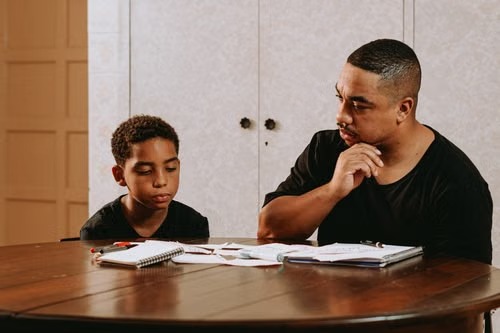
Mentoring relationships can have a lasting impact on a young person’s life. Children may not remember every piece of advice they receive, but they often remember the adults who consistently showed up for them.
That’s one of the most important lessons in youth mentoring. A mentor doesn’t need to have the perfect answer or deliver a life-changing speech. What matters most is building a relationship based on trust, reliability, and genuine connection.
For young people navigating challenges at home, school, friendships, or in their personal lives, having one trusted adult who consistently shows up can provide a sense of stability. Over time, that consistency can help strengthen confidence, relationships, resilience, and a young person’s belief in themselves.
Why Consistency Matters in Mentoring Relationships
There is a common belief that changing a child’s life requires profound wisdom or the perfect words at exactly the right moment.
However, ask people about the adults who made the biggest difference in their lives, and you’ll often hear a different story.
They rarely talk about life-changing speeches.
Instead, they remember the teacher who always asked how they were doing.
- They remember the coach who didn’t give up on them after a difficult game.
- They remember the neighbor who checked in every week.
- They remember the mentor who made time for them, even when life was busy.
What they remember most is presence.
For young people, especially those facing challenges at home, school, or in their personal lives, consistency in mentoring can matter more than having the perfect advice. Knowing that one trusted adult will continue to show up can create a sense of stability that influences confidence, relationships, and future choices.
Every Child Is Looking for Someone They Can Count On
Childhood is filled with change.
Friendships evolve. Schools change. Families experience transitions. Interests come and go. Young people also face new expectations and challenges as they grow.
Amid all of this change, children need something steady.
They want to know there is someone they can rely on, someone who will listen, encourage them, and simply be there.
That reliability creates a sense of emotional security.
When a mentor keeps their promises, arrives when expected, remembers important moments, and follows through on commitments, they communicate something incredibly powerful:
“You matter to me.”
That message can be far more meaningful than any motivational speech.
Why Trust Comes Before Advice in a Mentoring Relationship
Many people hesitate to become mentors because they worry they won’t know what to say.
The truth is that children don’t expect adults to have all the answers.
Before they accept guidance, they first need to feel safe, respected, and understood.
Trust is the foundation of strong mentoring relationships.
It’s built through relationships.
A mentor who listens carefully, remembers important moments, asks thoughtful questions, and continues showing up gradually earns the young person’s trust. Once that trust develops, advice becomes much more meaningful.
Without trust, even good advice can feel like another opinion.
With trust, even a few simple words can have a lasting impact.
According to MENTOR, the National Mentoring Partnership, strong mentoring relationships are built through connection, consistency, and mutual respect. Meaningful mentoring relationships can help young people develop social and emotional skills while giving them a supportive relationship with a caring adult.
How Small Moments Strengthen Mentoring Relationships
It’s easy to assume that impact comes from extraordinary experiences.
A special trip.
An important achievement.
A milestone celebration.
However, some of the moments young people remember most are surprisingly ordinary.
- It might be a weekly conversation after school.
- It might be laughing together over a simple game.
- It could be remembering their birthday.
- It could be asking how an important test went.
Sometimes, it is simply checking in after they seemed unusually quiet.
These small moments communicate something powerful:
“Someone noticed.”
Over time, these small moments become the foundation of meaningful mentoring relationships.
Consistency doesn’t mean doing something extraordinary every week.
It means being there when you said you would be.
What Does a Consistent Mentor Actually Do?
Consistency doesn’t require a mentor to be available every minute of every day. Instead, it means creating a relationship that feels dependable and predictable.
For a mentor, consistency might look like:
- Showing up when you say you will
- Checking in regularly
- Following through on promises
- Remembering important events
- Listening without immediately trying to solve every problem
- Celebrating small achievements
- Asking about things the young person previously shared
- Staying engaged even when conversations feel difficult
- Creating simple routines the young person can rely on
These actions may seem small. Nevertheless, they can make a significant difference over time.
A young person learns that your words have meaning because your actions consistently support them.
That is how reliability becomes trust.
How Mentors Build Confidence by Showing Up
Confidence doesn’t appear overnight.
It grows through repeated experiences that reinforce a young person’s sense of worth and capability.
Imagine hearing, week after week:
“I’m looking forward to seeing you.”
“I’m proud of how hard you’re trying.”
“Let’s keep working on this together.”
Those words matter because they’re backed by action.
A mentor who consistently follows through helps a young person understand that they are worthy of someone’s time, attention, and encouragement.
Over time, that experience can contribute to self-confidence.
Research from Harvard’s Center on the Developing Child emphasizes the importance of supportive relationships with caring adults in healthy childhood development. A dependable relationship can provide children with a stronger foundation for coping with challenges and developing resilience.
Why Young People Need supportive Adult During Difficult Seasons
Life isn’t always easy for young people.
There are disappointments.
Friendship struggles.
Academic pressure.
Family challenges.
Moments of self-doubt.
During these difficult seasons, children don’t necessarily need an adult to solve every problem.
Often, they need someone who stays.
Sometimes the most meaningful thing a mentor can say is:
“I’m here.”
Not because they have the perfect solution, but because they aren’t walking away when things become difficult.
That kind of reassurance can help a young person feel less alone.
It also teaches an important lesson about relationships: difficult moments don’t automatically mean people disappear.
You Don’t Need Perfect Conversations to build trust
Many first-time mentors worry about awkward silences.
They wonder if they’re asking the right questions or saying the right things.
The good news is that meaningful mentorship isn’t measured by perfect conversations.
Some meetings will be filled with laughter.
Others may feel quiet.
Some conversations will naturally flow.
Others won’t.
That’s perfectly normal.
Children don’t expect perfection.
They value authenticity.
A mentor doesn’t need to arrive with a prepared speech every time. Sometimes, simply sitting together, going for a walk, playing a game, or talking about something the young person enjoys can strengthen the relationship.
Being fully present is often more important than being perfectly prepared.
How Mentoring Creates Opportunities for Growth
Every time a mentor shows up, another layer of trust is added to the relationship. Strong mentoring relationships create opportunities for young people to.
The young person becomes more comfortable.
- They may become more willing to share.
- They may become more open to trying new experiences.
- They may even begin to take greater ownership of their goals.
Growth happens gradually.
It rarely comes from one inspirational conversation. Instead, it develops through dozens of ordinary moments that create a strong foundation.
That’s why mentorship is better understood as a journey rather than a single event.
The relationship creates opportunities for young people to discover their strengths, explore new possibilities, develop confidence, and see themselves differently.
The Long-Term Impact of Mentoring Relationships
One of the beautiful challenges of mentoring is that mentors don’t always see the difference they’re making immediately.
A young person may not suddenly become more confident.
They may not express gratitude after every conversation.
They may not even realize how much the relationship is influencing them.
Progress can be quiet.
However, The impact of mentoring relationships isn’t always visible immediately.
Years later, many people remember the adults who believed in them when they were still learning to believe in themselves.
- They remember the person who listened.
- They remember the person who encouraged them.
- They remember the person who kept showing up.
That is the true power of presence.
Its impact often becomes visible long after the moment itself has passed.
Every Child Deserves Someone Who Keeps Showing Up
In a world filled with distractions, notifications, busy schedules, and competing priorities, giving someone your consistent attention is one of the greatest gifts you can offer.
Mentorship isn’t about having all the answers.
It’s about making the choice to keep showing up.
Week after week.
Conversation after conversation.
Moment after moment.
A consistent mentor can give a young person something incredibly valuable: the experience of knowing that someone believes in them, listens to them, and genuinely cares about their future.
And when a child knows there is someone they can count on, they may begin to see themselves differently.
They may become more willing to try.
- More comfortable asking for help.
- More confident in their abilities.
- More hopeful about what comes next.
That’s why youth mentoring isn’t simply about giving advice. It’s about building a relationship strong enough for that advice to matter.
Sometimes, the most powerful thing a mentor can give a child isn’t an answer.
It’s their presence.
And sometimes, that’s exactly where a brighter future begins.