

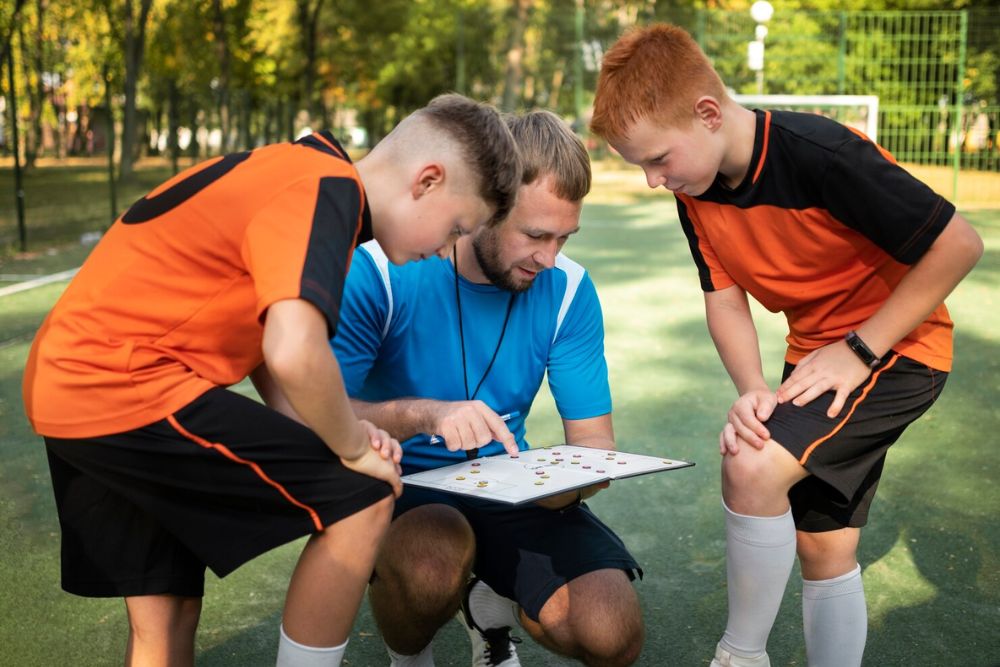
Sports have always been more than just a way to stay active. For young people, a game of basketball, a run on the field, or even a simple catch can open the door to learning skills that last a lifetime. Confidence, teamwork, and trust often grow in these small but powerful moments.
On Long Island, many children are finding these lessons through sports mentoring. When a caring mentor steps in—not only to play, but also to guide and encourage, a regular game becomes a chance to build character. The Sports Buddies Program at Big Brothers Big Sisters of Long Island is a great example of this in action.
In this blog, we’ll explore how sports mentoring in Long Island. helps kids feel more confident, teaches them how to work with others, and creates a lasting impact that stretches far beyond the playing field.
Why Are Sports a Powerful Mentoring Tool?
Sports have always been more than just a way to stay fit or win trophies. They create a natural space where children learn lessons that books and classrooms alone cannot always teach. When combined with mentoring, sports become one of the strongest tools to build character, confidence, and lifelong skills.
Sports Speak a Universal Language
No matter where a child comes from, sports are something they can connect with.
- A simple game of basketball or soccer does not need many words.
- Rules are easy to learn, and everyone plays on the same field.
- This shared experience breaks down barriers like background, culture, or language.
For mentors, this creates an easy way to bond with a child, even in the very first meeting.
Building Life Skills Beyond the Game
Every game played on the field teaches lessons off the field too:
- Discipline – showing up on time and practicing regularly.
- Resilience – learning how to bounce back after losing.
- Focus – paying attention to the present moment to perform well.
These lessons go beyond sports and help kids do better in school, handle challenges at home, and even prepare for future careers.
A Safe Space to Try, Fail, and Learn
Sports give children a chance to try new things without the fear of being judged.
- Missing a goal or dropping a catch is seen as part of the game.
- Mentors can use these moments to remind children that mistakes are stepping stones to growth.
This supportive environment builds self-belief and teaches kids that effort matters more than perfection.
Teamwork as the Core of Growth
Sports naturally push children to work with others.
- Passing the ball, cheering teammates, or planning a strategy requires communication and trust.
- With a mentor by their side, kids see teamwork not only as a rule of the game but also as a way of life.
This helps them build stronger friendships, learn respect for others, and understand the value of unity.
Read more transformations in our Match Stories.
The Role of Mentors in Sports Programs
When people think of sports, they often imagine coaches teaching players how to pass, shoot, or score. But mentors bring something different. A mentor is not only there to guide the game; they are there to guide the person. They focus on the life lessons that sports naturally teach—lessons that last long after the final whistle.
Building Skills Beyond the Game
Mentors in sports programs show kids how to:
- Work together as a team instead of only thinking about winning.
- Stay calm under pressure when the game gets tough.
- Respect others, whether they are teammates, opponents, or referees.
- Keep trying, even after missing a shot or losing a match.
These small but powerful lessons build character and prepare youth for real-life challenges outside the field.
Emotional Support on and off the Field
Sports can be exciting, but they can also be stressful. Young people often feel the pressure to perform, win, or fit in with the group. A mentor steps in as a trusted supporter who listens, encourages, and helps the mentee believe in themselves. This emotional support is sometimes more valuable than the skills learned in the game itself.
Modeling Positive Behavior
Children learn not only from what mentors say but from what they do. When a mentor shakes hands after a tough game, admits mistakes, or cheers for a teammate’s success, the child notices. Over time, these actions set the standard for how the mentee will behave in school, at home, and in future workplaces.
Creating a Safe Space to Grow
Perhaps the most important role of a mentor is to create a safe and positive space. In this space, kids feel free to try new things, take risks, and even fail without fear of judgment. Whether it’s attempting a new sport or simply speaking up during a team huddle, the mentor ensures that every effort is valued.
Building Confidence Through Sports Mentorship
Trying, Failing, and Growing
Sports create a safe space for kids to test their limits. A missed shot, a dropped catch, or a slow lap are not failures—they are learning steps. With a mentor by their side, young people learn that it is okay to stumble as long as they get back up. This repeated cycle of trying, failing, and improving builds inner strength and resilience.
Celebrating Small Wins
Confidence is not built overnight. It grows from small victories. Every time a child runs a little faster, passes the ball better, or simply shows up with more focus, mentors celebrate those moments. These celebrations tell young people that progress matters more than perfection. Over time, this recognition boosts their self-belief and helps them see their own potential.
Learning to Believe in Themselves
Many children enter mentoring programs feeling unsure of their abilities. They might think, “I’m not good enough” or “I can’t do this.” Through sports mentoring, they begin to replace these doubts with courage. A mentor cheering from the sidelines can be the push they need to take a risk, try again, and discover what they are truly capable of.
Beyond the Game
The confidence gained on the field does not stay there. It shows up in the classroom when a child raises their hand to answer a question. It shows up at home when they take responsibility for chores. It even shows up later in life, when they step into college or their first job with the belief that they can handle challenges.
Teamwork: Lessons That Last Beyond the Field
Learning to Work Together
When kids play sports, they quickly learn that no one can win a game alone. Passing the ball, cheering for teammates, and planning strategies all show them the value of working side by side. Sports mentoring helps children understand that every role is important—whether you are scoring the goal, defending the net, or simply supporting from the sidelines.
Building Trust and Communication
Teamwork is not just about playing together. It’s also about trusting each other. In a sports setting, kids discover how to listen, share ideas, and respect different opinions. A mentor guides them through moments of conflict and teaches them how to solve problems in a fair way. These are skills that help them not only in sports but also in school, friendships, and family life.
Lessons That Carry Into Real Life
The teamwork lessons learned on the field don’t end when the game is over.
- In school: Kids who practice teamwork are better at group projects and classroom activities.
- In future careers: Employers value people who can cooperate and lead within a team.
- In personal life: Relationships grow stronger when people know how to support and encourage each other.
Why Mentors Make the Difference
While sports naturally encourage teamwork, a mentor ensures these lessons truly sink in. Mentors highlight the meaning of respect, remind kids that winning is not everything, and show them that helping others succeed is just as important as personal success.
A Lasting Impact
The joy of celebrating a win together or learning from a loss teaches kids something they will carry forever: that working with others makes them stronger. These teamwork lessons stay with them long after they leave the field, shaping them into confident, caring, and cooperative individuals.
Become a Big – Explore all mentoring programs at BBBSLI
Final Words
Sports mentoring is not just about winning a game or learning how to play better. It is about giving young people the courage to believe in themselves and the skills to work together with others. When a mentor and a child step onto the field, they are not just teammates for the day—they are building a bond that can last for years.
On Long Island, programs like BBBSLI’s Sports Buddies show how powerful this connection can be. A simple game of basketball, soccer, or even a run in the park becomes a chance to learn trust, respect, and teamwork. These lessons go far beyond the field and stay with children as they grow into confident adults.
Every child deserves someone in their corner, cheering them on. Sports mentoring gives them that support. It reminds them that they are capable, that they belong, and that they can achieve more than they ever imagined.
If you want to be part of this journey, you can explore how to become a mentor or support the Sports Buddies Program. Together, we can create stronger kids, stronger families, and stronger communities across Long Island.
Frequently Asked Questions
How is sports mentoring different from coaching?
A coach usually focuses on winning games and improving athletic skills. A mentor, on the other hand, looks at the bigger picture. Mentors use sports as a tool to teach life lessons like respect, trust, communication, and resilience. Both are important, but mentoring goes beyond the scoreboard.
Why is sports mentoring important for kids?
Sports give kids a safe space to try new things, fail, and try again. When a mentor is by their side, kids feel supported and encouraged. This helps them believe in themselves, grow more confident, and learn how to work as part of a team, skills that stay with them long after the game is over.
What is the BBBSLI Sports Buddies Program?
The Sports Buddies Program connects volunteer mentors (called “Bigs”) with children (called “Littles”) in a fun, sports-based setting. Matches often attend games, play basketball, go for runs, or even try new activities together. The goal is not just physical activity, it’s creating strong, positive relationships.
Who can become a Sports Buddy mentor?
Anyone over 18 who wants to make a difference in a child’s life can apply. You don’t need to be a professional athlete. What matters most is consistency, kindness, and a willingness to spend quality time with a child.