

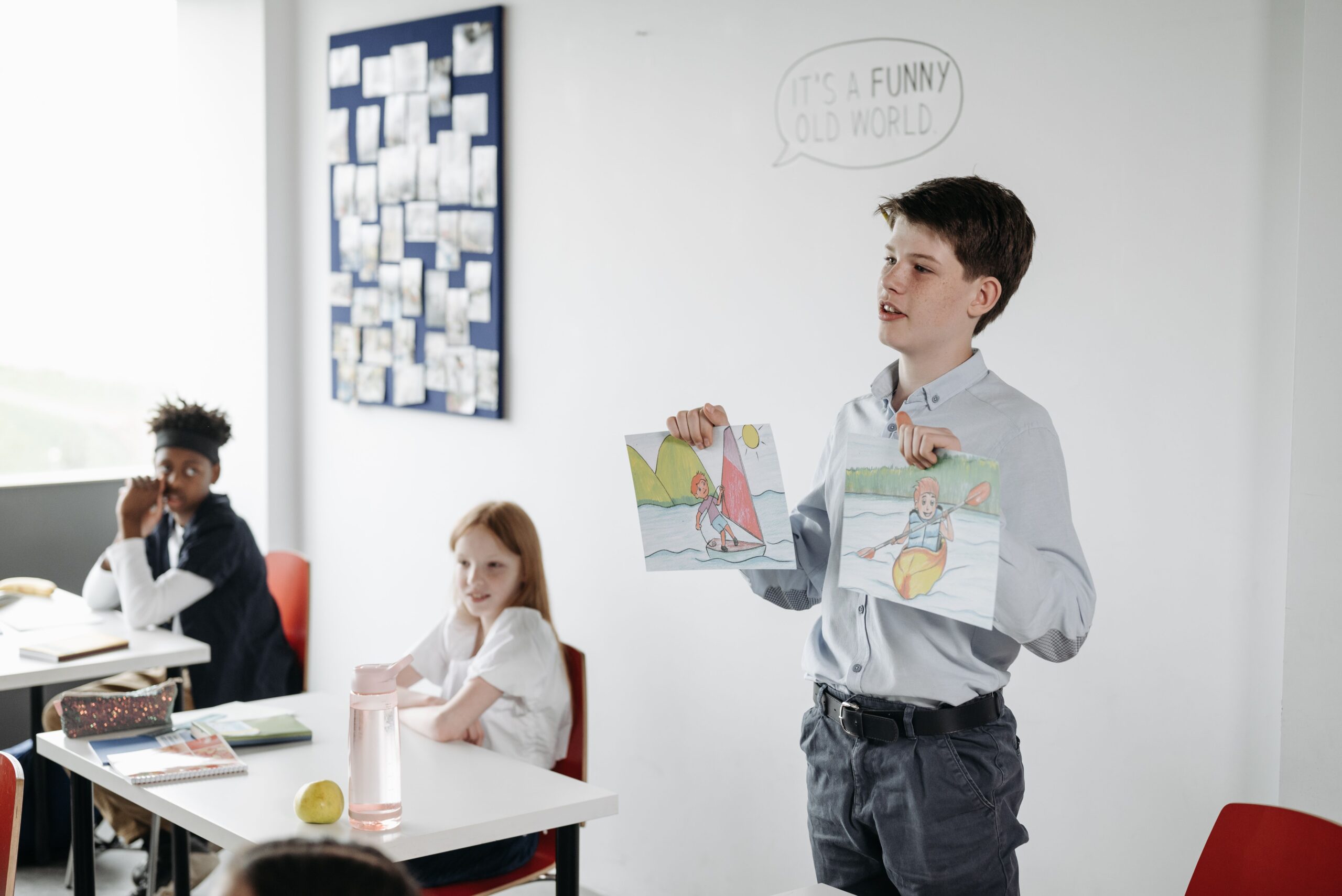
Every child has thoughts, ideas, dreams, and opinions worth sharing.
Yet many young people struggle to express themselves confidently. Some are naturally quiet, while others may hold back because they fear being judged, ignored, or misunderstood. As a result, they may hesitate to speak up in school, share their feelings, ask for help, or pursue opportunities that could help them grow.
Learning to communicate with confidence is an important part of healthy youth development.
One of the most powerful ways children develop this confidence is through meaningful mentoring relationships.
When a young person has a trusted mentor who listens, encourages, and believes in them, they begin to discover that their voice matters. Over time, mentorship helps children build the confidence to express themselves, advocate for their needs, and share their unique perspectives with the world.
Why Finding Their Voice Matters
Finding their voice is about more than speaking confidently.
It means helping young people understand that their thoughts, feelings, and experiences have value. It is about giving children the confidence to communicate openly, make decisions, ask questions, and participate fully in their communities.
Children who feel comfortable expressing themselves are often more likely to:
- Build healthy relationships
- Develop confidence
- Participate in school activities
- Share ideas and opinions
- Ask for support when needed
- Become future leaders
These skills support success throughout childhood and beyond.
Why Some Children Struggle to Speak Up
Every child is different.
Some young people are naturally outgoing, while others are more reserved. In some cases, children may struggle with self-confidence because of past experiences, fear of failure, social anxiety, bullying, or a lack of positive reinforcement.
When children do not feel heard, they may begin to believe their opinions do not matter.
Over time, this can affect their confidence, communication skills, and willingness to engage with others.
The good news is that supportive relationships can help change this narrative.
How Youth Mentoring Encourages Self-Expression
At its core, youth mentoring is about building trust.
A mentor creates a safe and supportive environment where young people feel comfortable sharing their thoughts, concerns, and aspirations without fear of judgment.
By listening actively and showing genuine interest, mentors send a powerful message:
Your voice matters.
Through regular conversations and encouragement, mentors help children become more comfortable expressing themselves and sharing their ideas.
These interactions often help young people gain confidence in ways that extend far beyond the mentoring relationship.
The Power of Being Heard
One of the most meaningful experiences for any child is feeling truly heard.
Many young people spend much of their day being told what to do, where to go, and how to behave. While guidance is important, children also need opportunities to share their own perspectives.
Mentors provide that opportunity.
When mentors listen attentively, ask thoughtful questions, and validate a child’s experiences, they help build self-worth and confidence.
Feeling heard encourages children to speak up more often and trust their own thoughts and ideas.
Building Communication Skills Through Mentorship
Communication is a skill that develops over time.
Young people learn how to communicate effectively through practice, feedback, and positive experiences.
Mentors help strengthen communication skills by encouraging children to:
- Share their opinions
- Discuss challenges openly
- Express emotions in healthy ways
- Ask questions
- Practice active listening
- Engage in meaningful conversations
These skills help children communicate more effectively at home, in school, and throughout their communities.
Confidence Grows When Children Feel Supported
Self-confidence and communication are closely connected.
Children are more likely to speak up when they believe their contributions matter. Mentors help build this confidence by celebrating strengths, recognizing progress, and encouraging young people to try new things.
A mentor may encourage a child to:
- Join a club or team
- Participate in class discussions
- Pursue a creative interest
- Take on a leadership role
- Share ideas during group activities
Each positive experience helps reinforce the belief that their voice deserves to be heard.
Positive Role Models Inspire Courage
Children often gain confidence by observing trusted adults.
Mentors serve as positive role models who demonstrate effective communication, empathy, and self-confidence. By seeing how mentors express themselves respectfully and thoughtfully, young people learn valuable skills they can apply in their own lives.
Positive role models also help children understand that confidence is not about being the loudest person in the room.
It is about being comfortable expressing who you are.
Helping Youth Advocate for Themselves
Finding their voice also means learning how to advocate for their needs.
As children grow, they encounter situations where they must communicate concerns, set boundaries, ask for help, or make important decisions.
Mentors help young people develop these skills by encouraging independence and self-advocacy.
When children learn how to communicate their needs confidently and respectfully, they become better prepared to navigate challenges and opportunities throughout life.
Leadership Begins with a Voice
Many leadership skills begin with communication.
Young people who feel confident expressing ideas are often more willing to participate, collaborate, and take initiative.
Mentors help children recognize that leadership is not limited to a specific personality type. Leaders come from all backgrounds and communication styles.
By helping children find their voice, mentors also help them discover their potential to lead, inspire, and contribute positively to their communities.
The Lasting Impact of a Supportive Relationship
The confidence a child gains through mentorship often extends far beyond the mentoring relationship itself.
Young people who learn to communicate effectively and express themselves confidently are better prepared to:
- Build meaningful relationships
- Navigate challenges
- Pursue opportunities
- Advocate for themselves
- Achieve personal goals
These skills continue to benefit them throughout adolescence and adulthood.
One Encouraging Voice Can Change a Life
Sometimes all it takes is one person who listens.
One person who encourages.
One person who believes in a child’s potential.
Mentors provide young people with the support and reassurance needed to develop confidence in themselves and their abilities. Through consistent encouragement and genuine connection, they help children discover that their thoughts, feelings, and dreams matter.
And when a child begins to believe their voice matters, amazing things can happen.
Every Child Deserves to Be Heard
Helping children find their voice is about more than communication.
It is about confidence, self-worth, and believing that they have something valuable to contribute.
Youth mentoring helps young people develop these qualities through supportive relationships that encourage growth, self-expression, and personal development.
Programs like Big Brothers Big Sisters of Long Island provide young people with trusted mentors who help them build confidence, strengthen communication skills, and discover their potential.
Because every child deserves the opportunity to be heard, understood, and empowered to share their voice with the world.