

Building a real connection with a child doesn’t come from giving advice.
It grows through small, shared moments where a child feels comfortable enough to be themselves. No pressure, no expectations, just a sense of ease.
That’s what mentoring relationships are built on.
Many mentors wonder what they should actually do with kids to build that bond. The answer isn’t complicated. The right activities, done consistently, create trust, openness, and emotional safety over time.
Here are simple, effective mentoring activities that naturally help mentors connect with kids.
1. Go for a walk and let conversations happen naturally
Walking side by side takes away the pressure of direct conversation.
There’s no need to force eye contact or push a topic. Kids tend to open up more when they don’t feel like they’re being questioned.
In moments like these, you may start noticing the signs a child needs a mentor more clearly, because children speak more freely.
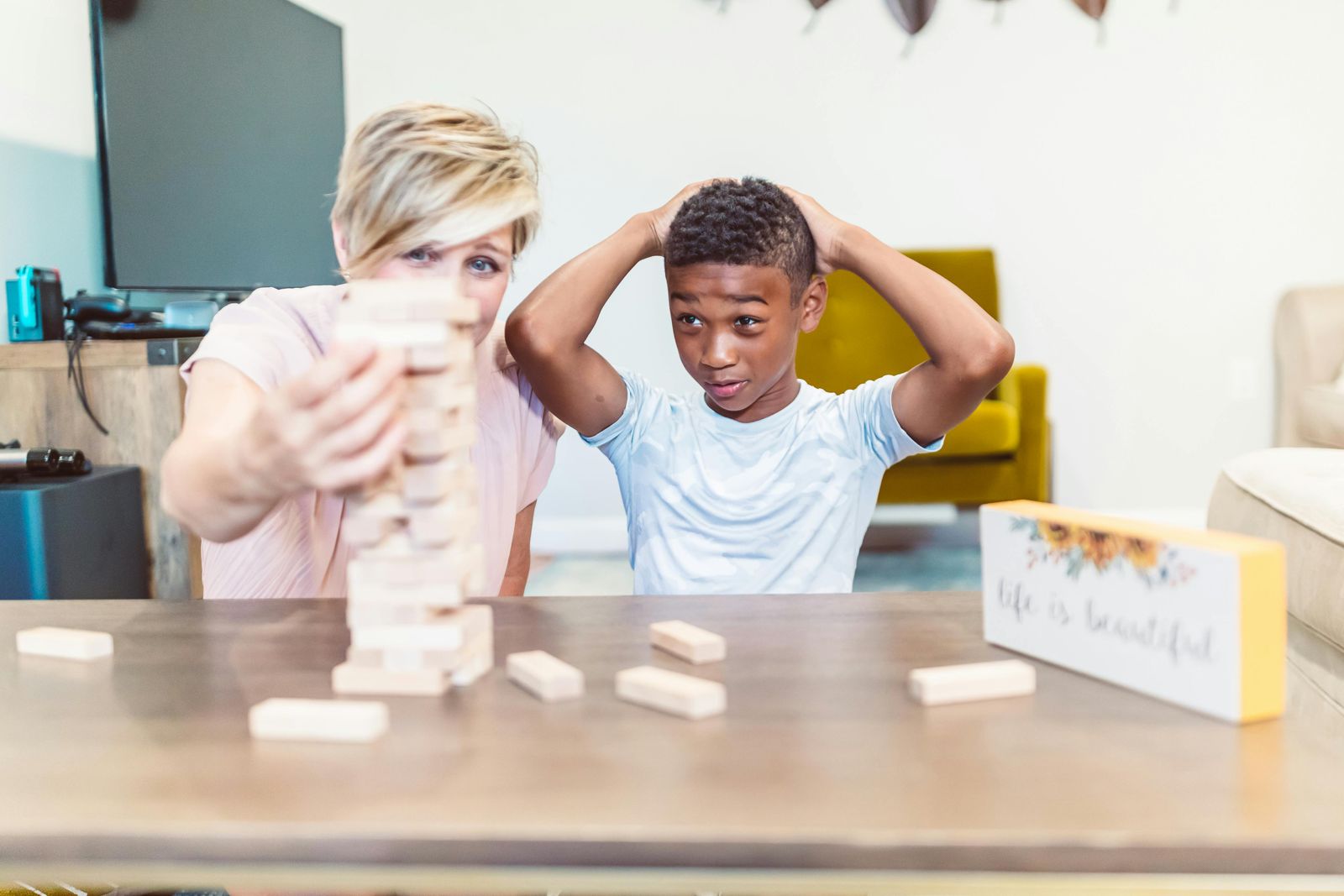
2. Play something together without focusing on winning
Games create connection, but only when they’re not overly competitive.
Board games, casual sports, or simple activities help children relax. When they’re at ease, their real personality comes out.
This is where bonding actually begins.
3. Try a creative activity together
Drawing, building, or doing something hands-on gives children another way to express themselves.
Not every child is comfortable talking about feelings. Creative activities offer a quieter way to share what’s going on inside.
The goal isn’t perfection, it’s participation.
4. Share stories instead of giving advice
Advice can feel like pressure. Stories feel human.
When mentors share their own experiences, children relate more easily. It creates a sense of connection instead of instruction.
This is what defines a good mentor for teenagers: someone who guides through real experiences, not authority.
5. Try something new together
New experiences create shared memories.
It could be visiting a new place, trying a new activity, or learning something simple together. These moments build trust because they’re experienced side by side.
They also help children step out of their comfort zone in a safe and supported way.
6. Be comfortable with quiet moments
Not every interaction needs to be filled with conversation.
Sometimes, sitting together watching something or doing a quiet activity builds more comfort than constant talking.
When children don’t feel pressured to speak, they open up more naturally over time.
7. Support something that matters to them
Whether it’s schoolwork, a hobby, or a small personal goal, showing interest in a child’s world builds connection.
It tells them they’re valued.
This kind of consistent support can also ease emotional stress, especially where mentorship helps children deal with anxiety through steady relationships.
8. Show up consistently, even on ordinary days
This matters more than any activity.
Trust doesn’t come from one great day. It builds through consistency. Showing up, checking in, and being present even when nothing special is planned.
Children don’t remember perfect activities. They remember who stayed.
There’s no perfect method to bond with a child.
What matters is being present, patient, and genuinely interested in their world.
Mentoring activities don’t need to be impressive. They just need to be real.
Because in the end, it’s not the activity that creates the bond. It’s how the child feels during those moments.